
The Rise of “东北大花 / Dongbei Big Flower” as a Chinese Fashion Phenomenon
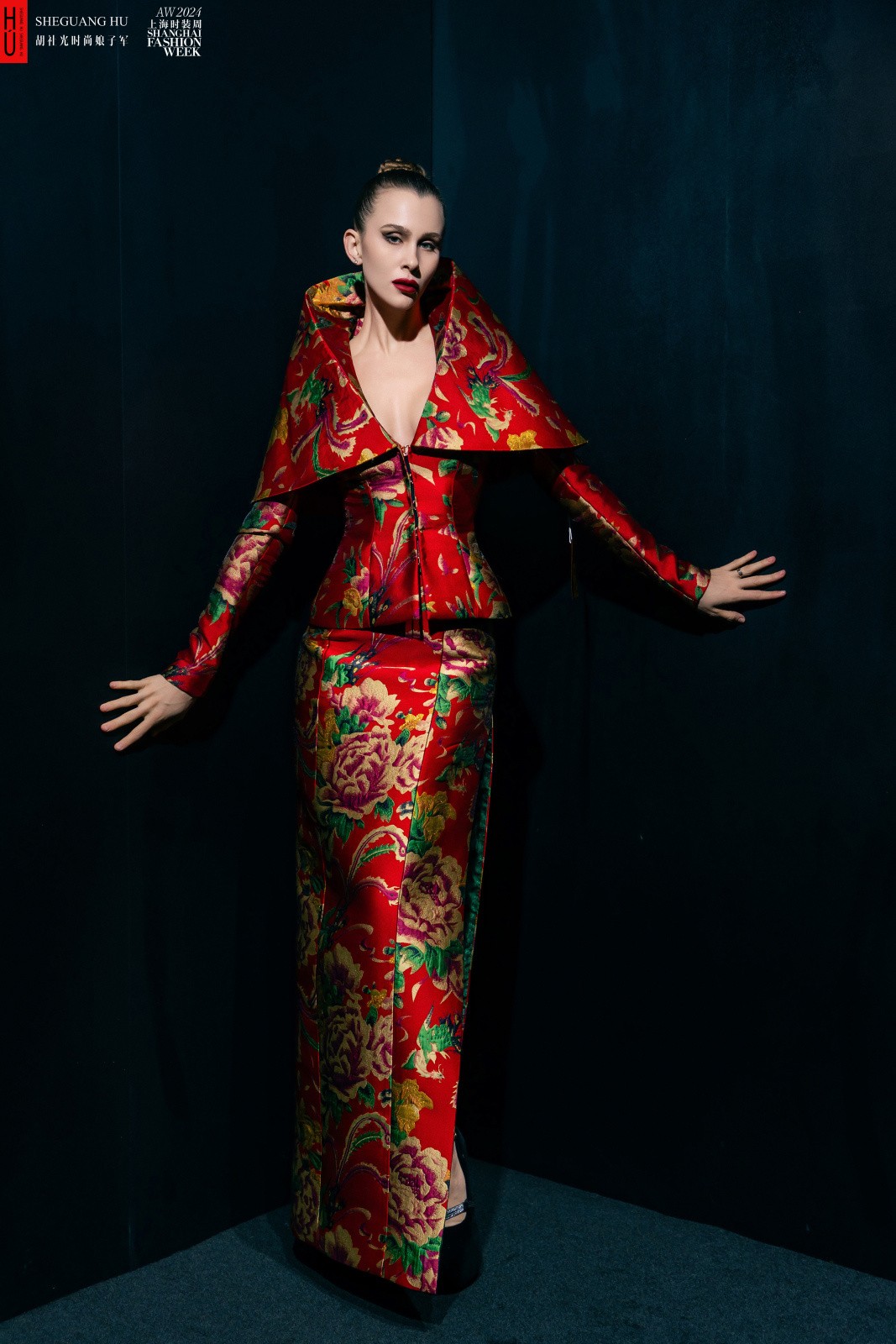
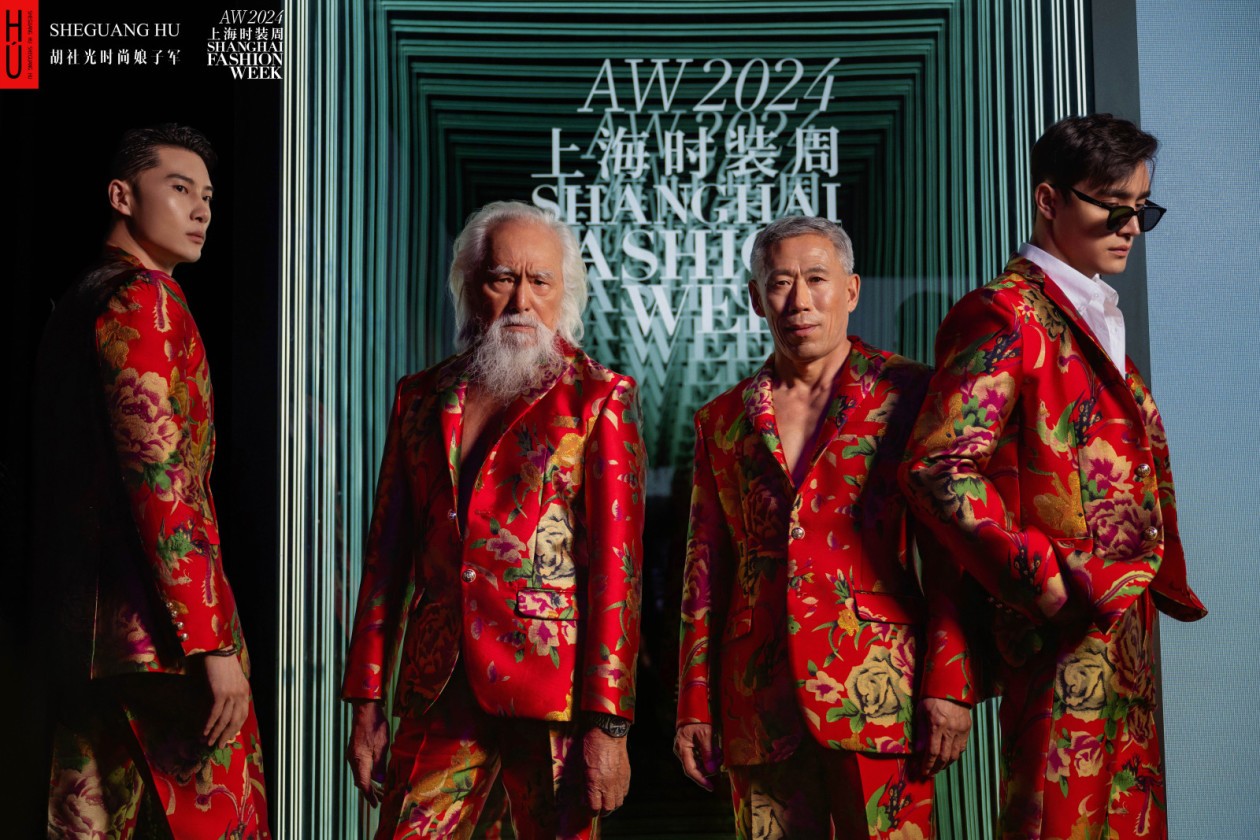
Over the past two years, one of China’s most unexpected visual revivals has captured attention far beyond fashion circles. Known as “Dongbei Big Flower,” this bold floral aesthetic originates from the everyday textiles of Northeast China - thick quilts, padded jackets, and household fabrics designed for long, freezing winters. Once dismissed as rural, outdated, or even embarrassing, these oversized floral patterns are now being reinterpreted by young creators, designers, and brands as a statement of confidence.
For overseas audiences, this trend may appear playful or ironic. But viewed through the lens of consumer behavior, Dongbei Big Flower represents something far more significant. It reflects a structural shift in how Chinese consumers relate to identity, value, and cultural symbols in an era where economic growth has slowed and emotional consumption has taken center stage.
To understand why this matters, we need to look beyond the surface of the pattern itself.
Dongbei Big Flower comes from daily life in Northeast China, a region historically associated with heavy industry, state-owned enterprises, and a strong working-class culture. The floral patterns served practical and emotional functions. They brought warmth, color, and optimism into modest homes, and symbolized abundance, family, and resilience. For decades, these visuals were never meant to be fashionable. They were meant to be lived with.
As China urbanized rapidly in the 2000s and 2010s, aesthetics shifted. Minimalism, “international style,” and urban neutrality became dominant. Coastal cities led consumption trends, while regional cultures like Dongbei were often reduced to stereotypes. In consumer language, Dongbei Big Flower became shorthand for “too loud,” “too local,” or “lacking taste.”
What has changed since then is not just fashion preference, but the emotional structure of consumption itself.
Today’s younger Chinese consumers are growing up in a very different environment. Material abundance is no longer novel. Functional needs are largely met. What they seek instead is emotional resonance, identity affirmation, and narrative meaning. According to multiple consumer studies from Chinese platforms, Gen Z and younger Millennials increasingly prioritize “self-expression,” “emotional value,” and “cultural recognition” over pure functionality or brand prestige.
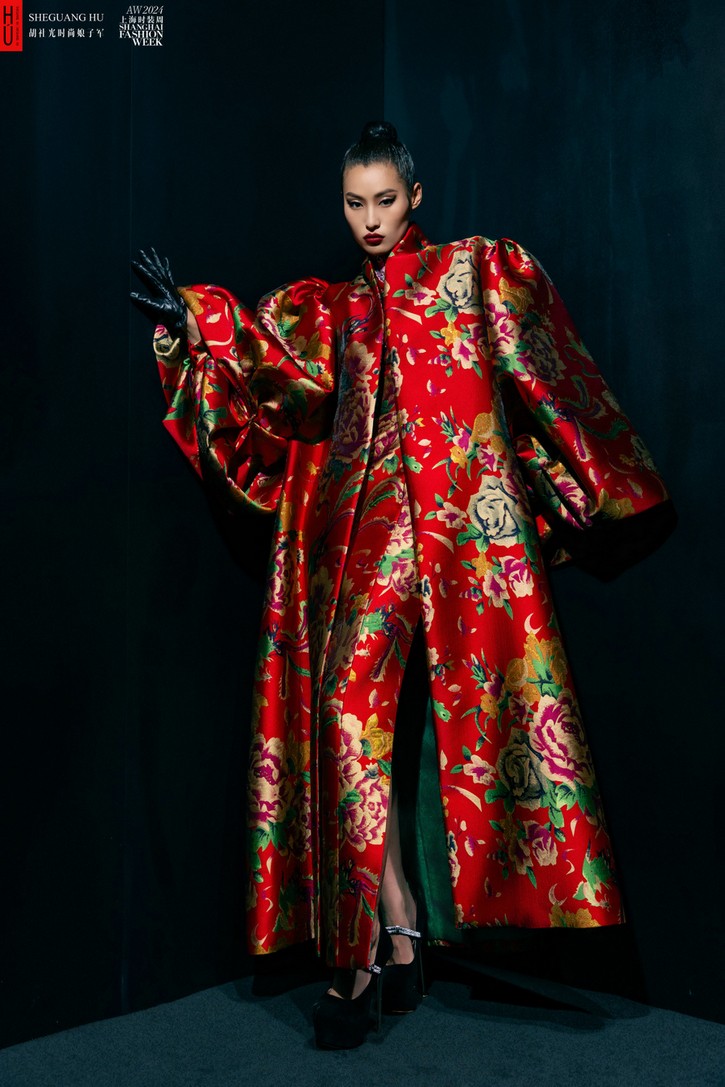
Dongbei Big Flower fits this shift perfectly. It offers emotional familiarity, cultural memory, and a sense of irony all at once. Wearing it is not about pretending to be rural. It is about acknowledging roots without being constrained by them. The exaggerated scale and bold color choices are intentional signals: this is not nostalgia played straight, but nostalgia reframed through awareness.
Social platforms have been critical in this reframing. On Xiaohongshu and Douyin, Dongbei Big Flower content often blends humor, irony, and pride. Creators juxtapose floral cotton jackets with luxury handbags, contemporary tailoring, or avant-garde styling. The message is subtle but powerful: “I understand global fashion codes, and I choose to break them with my own cultural reference.”
This is where the trend moves from aesthetic to behavioral insight.
Chinese consumers are no longer satisfied with symbolic luxury alone. Logos and heritage narratives, once dominant, are increasingly questioned. Instead, cultural confidence has become a new form of status. Knowing who you are, where you come from, and being comfortable expressing that publicly now carries social capital.
From a market perspective, Dongbei Big Flower also reflects a broader decentralization of taste-making in China. For years, trends flowed from first-tier cities outward. Today, regional cultures are feeding back into the national conversation. Northeast humor, dialects, food culture, and aesthetics have all gained visibility online, creating what some analysts describe as a “reverse cultural flow.”
This matters for brands because it challenges a long-standing assumption: that aspirational consumption in China always means moving away from the local. Dongbei Big Flower shows the opposite. Aspirational consumption can now involve reclaiming what was once considered low-status and reframing it as culturally rich.
There is also an economic layer to this shift. As China’s consumer market enters a more cautious phase, value perception has changed. Consumers are more price-sensitive, but not necessarily less expressive. They are looking for products that deliver emotional density rather than pure status signaling. Dongbei Big Flower, with its strong visual identity and cultural backstory, offers high symbolic return at relatively accessible price points.
.jpeg)
For international brands, this creates both opportunity and risk.
The opportunity lies in understanding that Chinese consumers are increasingly drawn to specificity rather than abstraction. Generic “Chinese elements” no longer resonate. What resonates are stories rooted in lived experience: regional culture, everyday memory, and emotional authenticity. Dongbei Big Flower works because it is not designed for foreigners first. It is designed for self-recognition, then shared outward.
The risk lies in superficial adoption. Without understanding the social context, brands may treat Dongbei Big Flower as a visual gimmick. But stripped of its narrative, the pattern loses meaning. Worse, it can feel extractive or inauthentic. In today’s China market, authenticity is not a slogan. It is a credibility test.
More broadly, Dongbei Big Flower signals a shift from “global aspiration” to “cultural authorship.” Chinese consumers are no longer only asking how close a brand feels to Paris, Milan, or New York. They are asking whether a brand understands China as a lived, plural society rather than a monolithic market.
Looking ahead, Dongbei Big Flower is unlikely to remain an isolated case. Similar dynamics are emerging around regional craftsmanship, dialect-based content, and local heritage reinterpretation across China. Together, these trends point to a future where Chinese consumption is driven less by imitation and more by selective reinterpretation.
For overseas marketers, fashion professionals, and brand leaders, the takeaway is clear. To understand China’s next wave of consumers, you must look beyond surface trends and into the emotional logic behind them. Dongbei Big Flower is not about flowers. It is about confidence, memory, and the freedom to redefine taste on one’s own terms.
What Dongbei Big Flower ultimately reminds us is this: China’s consumer market is no longer driven by a single aesthetic hierarchy. Cultural confidence, emotional value, and regional authenticity are becoming central to how taste, identity, and purchasing decisions are formed. For global brands, understanding these signals early is no longer optional. It is a strategic necessity.