
Head to head · 2025
Beijing vs Shanghai
Both sit in the mid-80s. The gap is consumer depth and policy, not market size.
Shanghai leads by 0.9 points. The gap comes mostly from digital reach (4.9 points).

| Metric | Beijing | Shanghai |
|---|---|---|
| Entry index0–100, relative to the scored set | 85.1 | 86.0 |
| Rankof 51 scored cities | #2 | #1 |
| Digital reach | 72.2 | 77.1 |
| Consumer depth | 87.9 | 84.3 |
| Market scale | 97.2 | 99.2 |
| Policy access | 85.0 | 85.0 |
| Population | 21.9M | 24.9M |
| GDP | $702B | $760B |
| GDP per resident | ¥228.1k | ¥216.8k |
| Disposable incomeurban residents, per year | ¥85.4k | ¥88.4k |
| Real GDP growth | 5% | 5% |
| WeChat penetration% of internet users | 96% | 96% |
| Douyin penetration% of internet users | 75% | 78% |
| Xiaohongshu penetration% of internet users | 50% | 55% |
Where the scores separate
Largest gaps: digital reach (4.9 pts) and consumer depth (3.6 pts).
Pillar scores are percentile ranks inside the published set; policy is scored on an absolute 0–100 scale. A gap under three points should not drive a decision. How the index is built.
Beijing 北京
Beijing · T1 · north
Key industries
Tech & AI · Finance · Media · Healthcare
Commercial districts
CBD (Guomao), Sanlitun & Taikoo Li, SKP (luxury), Wangfujing, Zhongguancun (tech).
Consumption profile
Most educated consumer base in China. High spending on education, healthcare, tech and premium F&B. Strong B2B and government-relations market.
Full Beijing profile →Shanghai 上海
Shanghai · T1 · east
Key industries
Finance · Luxury retail · Automotive · Biotech
Commercial districts
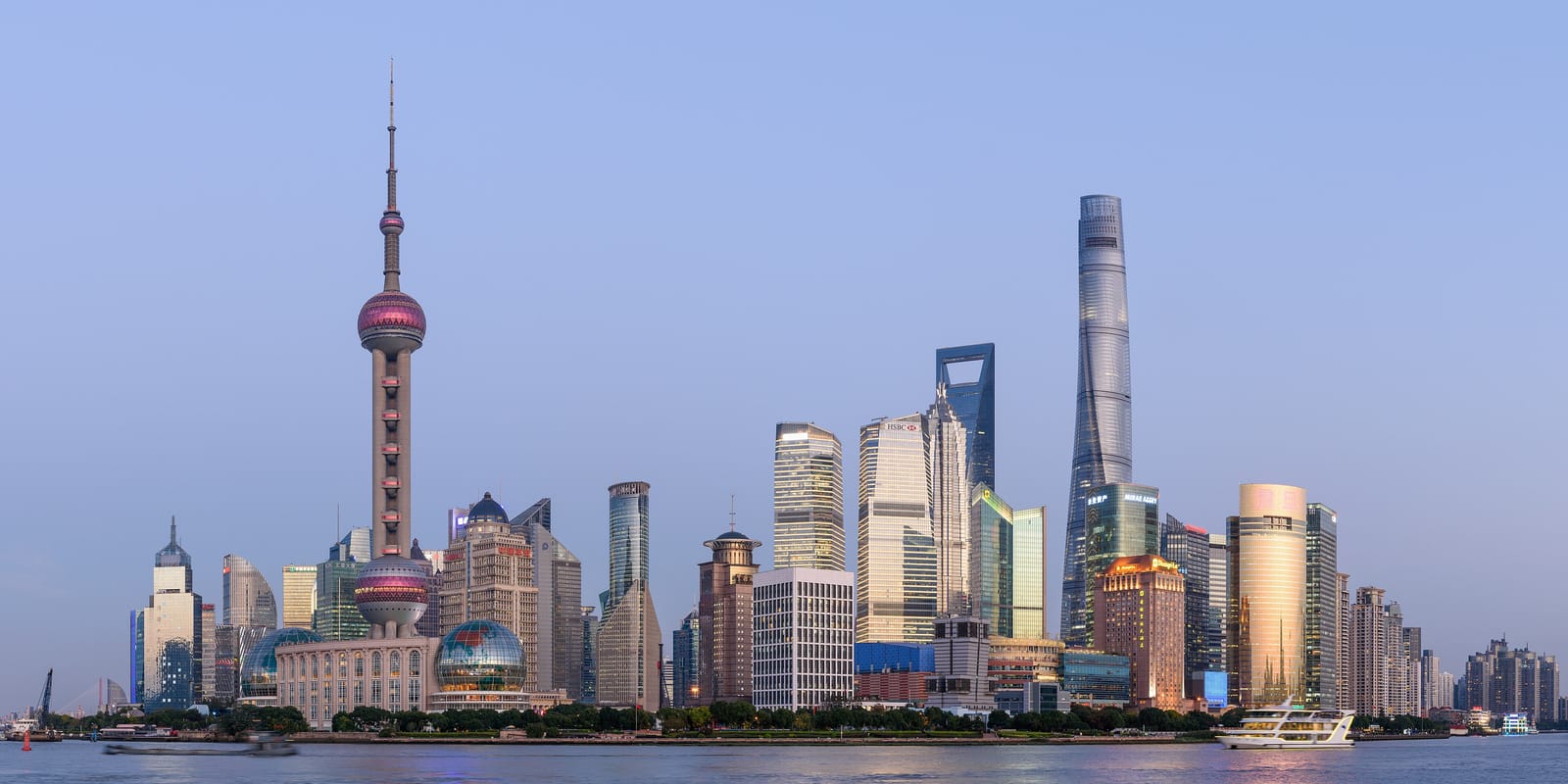
Lujiazui & Nanjing Road (luxury), Xintiandi & Former French Concession (lifestyle), Jing'an Kerry Centre, HKRI Taikoo Hui, West Bund (art & culture).
Consumption profile
Highest disposable income in China. Sets national trends in fashion, beauty, F&B and lifestyle. Strong demand for premium and imported goods.
Full Shanghai profile →Questions people ask
- Is Beijing or Shanghai the better first city for a brand?
- Beijing scores 85.1 and Shanghai scores 86.0 on the YIVA China City Entry Index, out of a 51-city set. Shanghai leads overall. The score compares reach, spending power, size and policy access only — it cannot see competition, media cost or whether your category has demand in either city, so treat it as a shortlist filter rather than a verdict.
- Which is bigger, Beijing or Shanghai?
- By gross regional product, Shanghai is larger ($760B against $702B) and has a population of 21.9M versus 24.9M for Beijing. Market size is only 25% of the entry index.
- Are these scores comparable with last year's?
- No. Digital reach, consumer depth and market scale are percentile ranks within the published city set, so adding or removing a city moves every score. Compare two cities inside the same release, never across releases.
Other comparisons
Share this result
Beijing vs Shanghai: China City Entry Index
Cite this page
YIVA Digital. “Beijing vs Shanghai: China City Entry Index comparison.” YIVA Digital, 2025. https://yivadigital.com/tool/china-market-guide/compare/beijing-vs-shanghai
Scores are relative to the published city set in this release and are not comparable across releases.