

Overview
Beijing (北京) is a Tier 1 city in North China with a permanent population of 21.9M and a 2025 GDP of $702B (5.2% growth). Per-capita disposable income of ¥85.4k places it among China's wealthiest urban markets. Its economy is anchored by tech & ai, finance, media and more, and 96.0% of internet users are active on WeChat - making it a international hub for most educated consumer base in china.
Beijing · North China - international transport & logistics hub
Key Indicators (2025)
Digital Platform Penetration (est.)
Estimated % of the city's internet population actively using each platform. Estimates based on platform disclosures and industry data.
Policy Access
85.0 / 100Binary designations from published State Council and ministry notices — a designation either exists or it does not. What it buys you varies by category and by zone management, which this list cannot show. Scoring weights are on the index page.
Entry Index Pillars
YCEI 85.1 · #2Digital, consumer and scale are percentiles within the 51 scored cities in this release; policy is an absolute 0–100 score. Percentiles move when the set changes, so these scores are not comparable across releases.
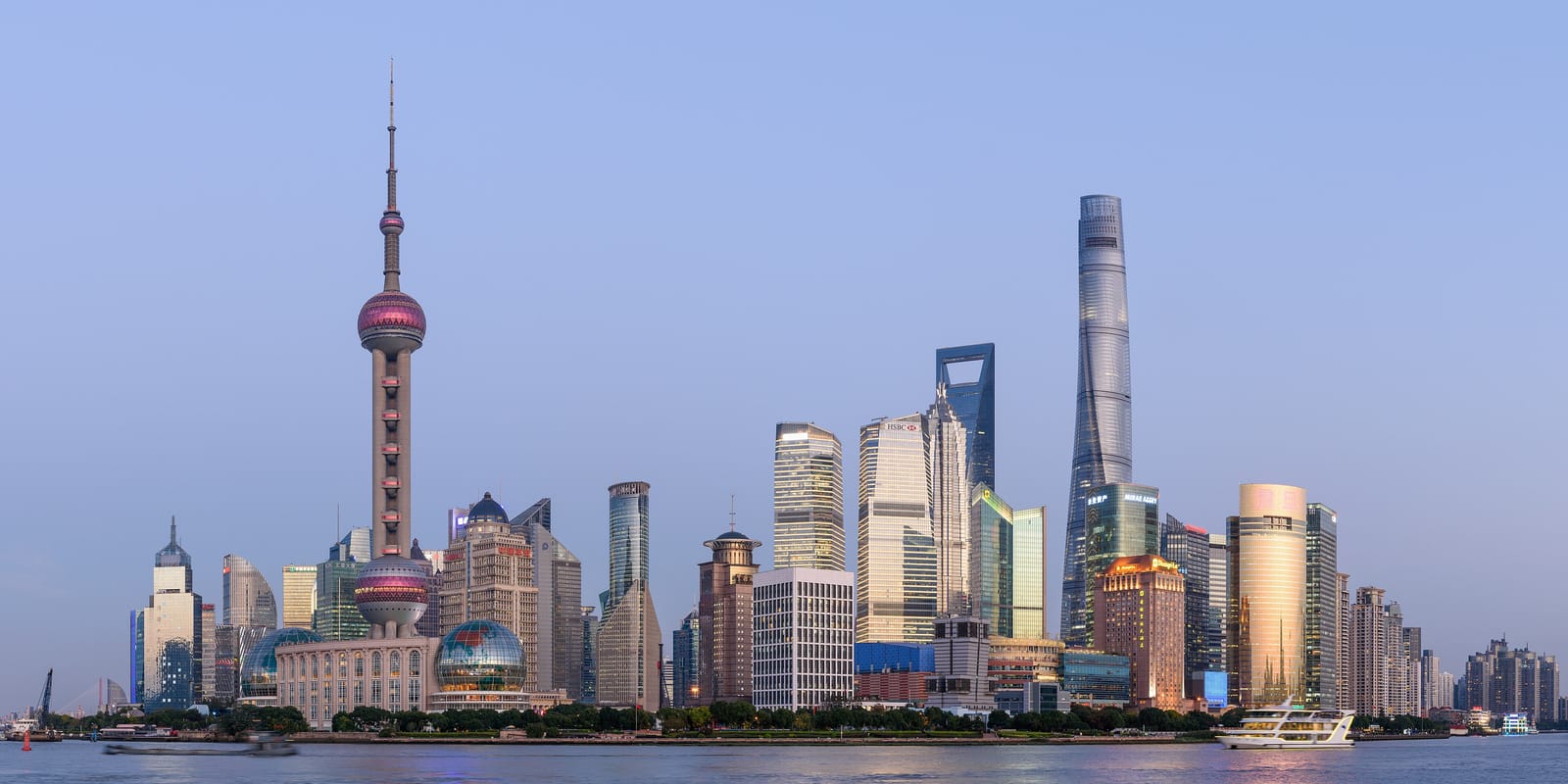
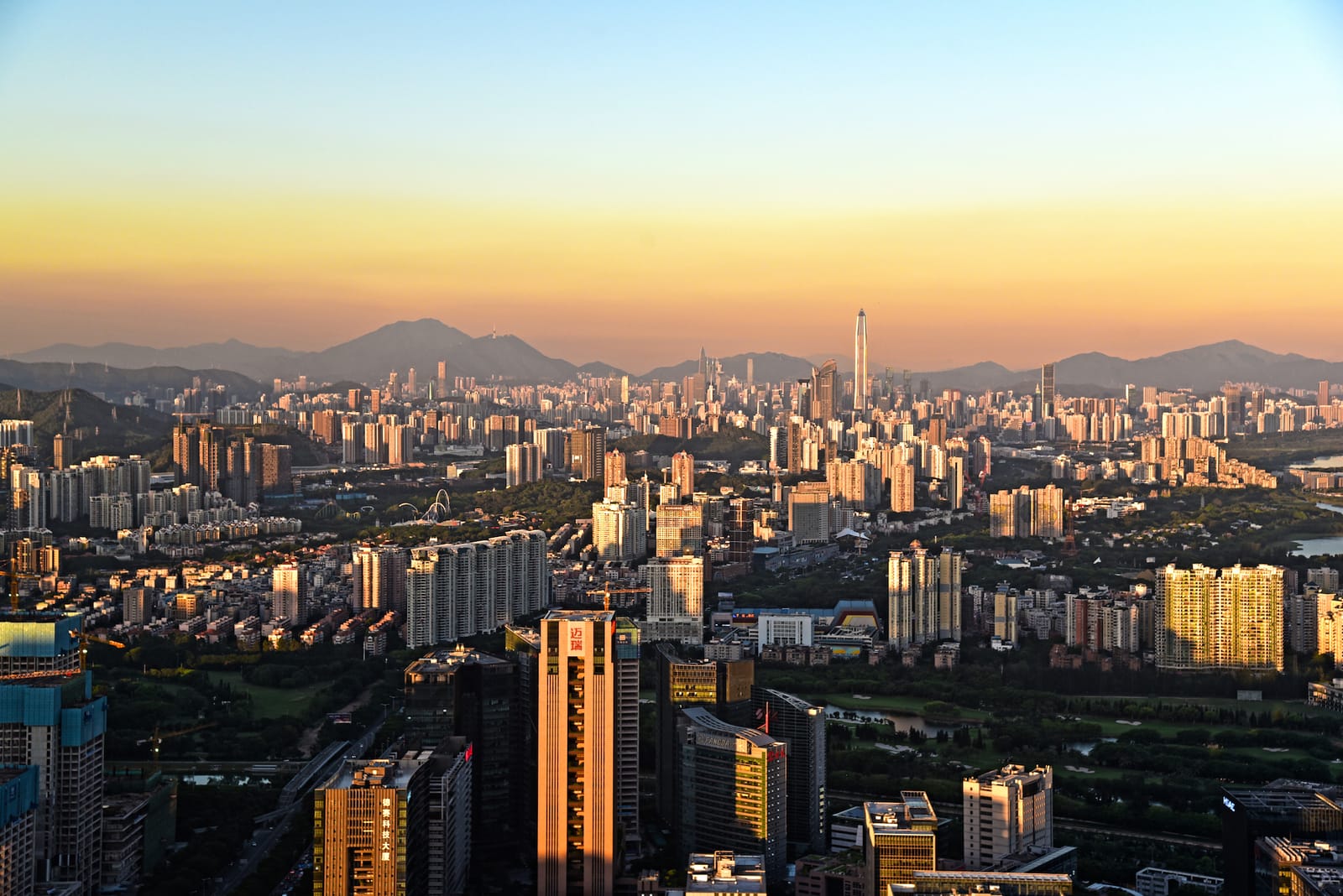
Beijing in photos
Cityscapes, culture, nature and daily life — tap any photo to enlarge.
Photos: Wikimedia Commons contributors (CC BY/CC BY-SA/CC0).
Consumption Highlights
Most educated consumer base in China. High spending on education, healthcare, tech and premium F&B. Strong B2B and government-relations market.
Key Business Districts
CBD (Guomao), Sanlitun & Taikoo Li, SKP (luxury), Wangfujing, Zhongguancun (tech).
Brand Entry Tips
Essential for B2B, tech, finance and luxury. Consumers scrutinize brand story and CSR. Chinese-language content quality must be flawless.
Frequently asked questions
Is Beijing the right first market for my brand?
Beijing is a Tier 1 market with 2025 GDP of $702B and per-capita income of ¥85.4k. Its high spending power justifies premium pricing - Essential for B2B, tech, finance and luxury. Consumers scrutinize brand story and CSR. Chinese-language content quality must be flawless.
Which digital platforms matter most in Beijing?
WeChat reaches an estimated 96.0% of local internet users and is non-negotiable for CRM and private-domain. Douyin covers 75.0% (key for content and livestream e-commerce), while Xiaohongshu reaches 50.0% - a highly engaged community for seeding and reviews.
How should I enter Beijing?
Start with a province-level view (see the province profile) for policy and logistics context, then run a 3-month pilot: Xiaohongshu/Douyin seeding, a Tmall Global or JD Worldwide store, and a pop-up or distributor trial in CBD (Guomao). Validate demand before committing to a legal entity.
Compare Beijing with
Cite this page
YIVA Digital (2025). Beijing (北京) Market Guide. https://yivadigital.com/tool/china-market-guide/beijing
Data year 2025. Source: National Bureau of Statistics & provincial statistical bulletins (2025).
Expanding into Beijing?
Let's build your Beijing market entry strategy - from platform selection to local KOL partnerships.
Data source: National Bureau of Statistics & provincial statistical bulletins (2025) (2025). GDP converted to USD at ≈7.1 CNY/USD. Figures are indicative - verify before investment decisions. Methodology & limitations