

Localisation & Translation
Chinese consumers can spot non-native content in seconds. We deliver culturally fluent localisation across text, image, video, and audio — so your brand speaks Chinese, not translated English.
15+
Years in China
200+
Brands Served
4.9
Client Rating
11
Services

Key Insight
China's digital ecosystem operates uniquely. Understanding these nuances is the difference between a campaign that performs and one that transforms your China presence.
Why It Matters
Why this service is critical for your brand's success in China.
Poor translation is the #1 reason Chinese consumers lose trust in international brands. A single cultural misstep can undo months of marketing investment.
Chinese is not one language — formal written Chinese (for websites), conversational Chinese (for social media), and dialect influences require nuanced treatment.
Visual localisation is as important as text: colors, imagery, layout, and iconography all carry different meanings in Chinese culture versus Western markets.

What We Deliver
Every engagement includes these core deliverables.
Text translation & transcreation (EN/CN/JP/KR)
Image & creative localisation (text overlay, visual style)
Video localisation (subtitling + on-screen text)
Voiceover & audio dubbing (professional native speakers)
Website & app UI localisation
How We Work
A proven methodology with clear milestones and measurable outcomes.
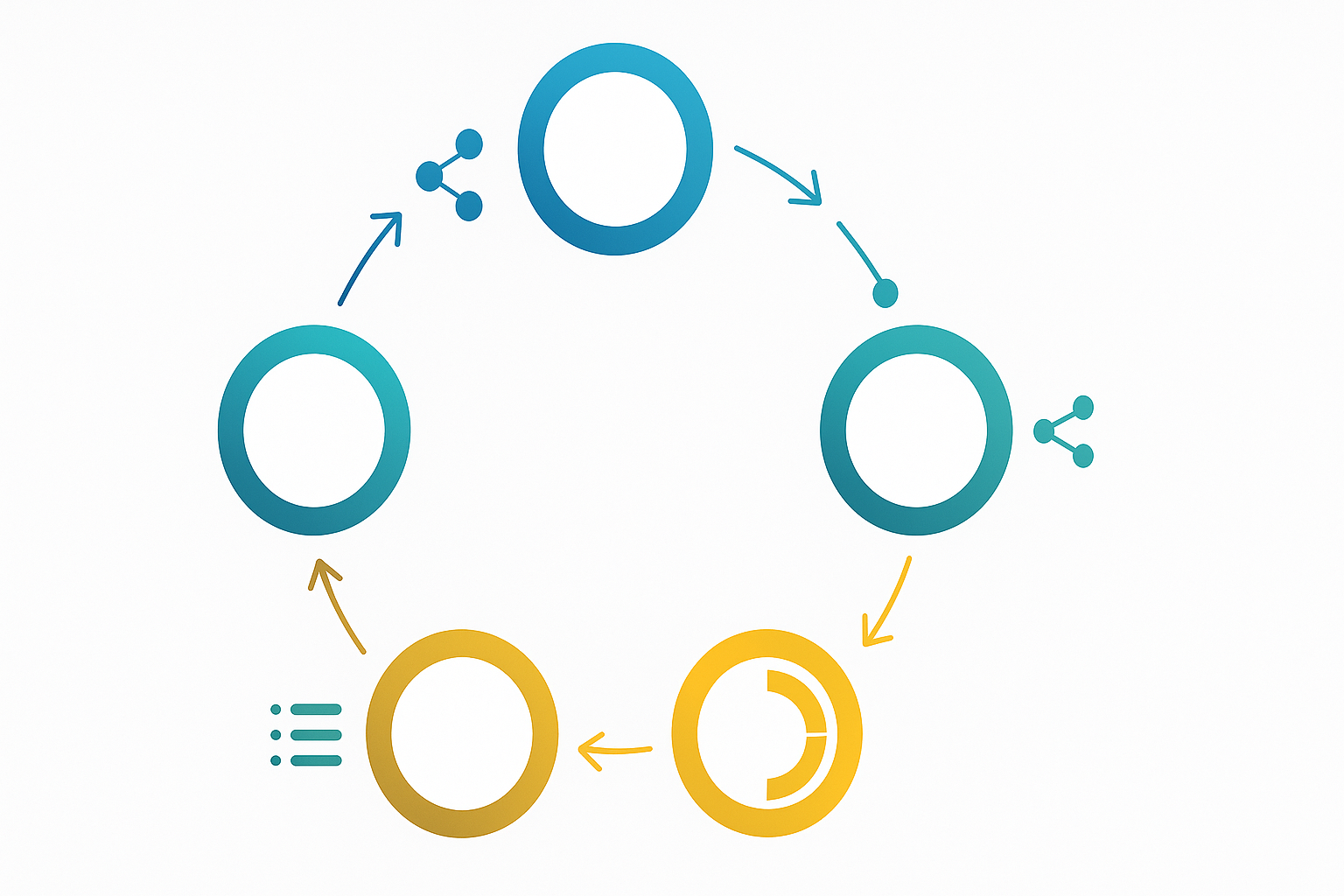
Content Audit
Review all existing content assets — website copy, marketing materials, product descriptions, social posts, video scripts, and UI strings — to create a localisation roadmap.
Transcreation
Native Chinese copywriters transcreate your messaging — not translate. We preserve your brand voice while making it culturally relevant and emotionally resonant for Chinese audiences.
Visual Localisation
Adapt graphics, product images, and layouts for Chinese aesthetic preferences. Replace culturally irrelevant imagery, localise text overlays, and optimise for China's mobile-first browsing behaviour.
Multimedia Production
Video subtitling, on-screen text localisation, voiceover recording with professional native Chinese talent, and full audio dubbing for video content.
Quality Assurance
Multi-layer review: linguistic QA by senior editors, cultural relevance check by in-market experts, and functional QA for UI localisation across devices.

What Our Clients Say
Real feedback from brands we've helped succeed in China.
"YIVA transformed our Baidu presence. Within 4 months, organic traffic from China increased 180% and our SEM cost-per-acquisition dropped 35%."
Sarah Chen
Marketing Director, European Luxury Brand
"The team's deep understanding of China's digital ecosystem set them apart. Our WeChat Official Account grew from 2K to 45K followers in 6 months."
James Morrison
Head of Digital, UK Retail Brand
"We interviewed 5 agencies. YIVA was the only one that understood both Chinese consumer behaviour and our Western brand identity. The results proved it."
Anna Watanabe
VP Marketing, Global Tech Company
0
Years Experience
0
Brands Served
0
Campaign Success
0
Client Rating
Related Insights
Learn more about localisation & translation from our experts.
The Complete Guide to Localisation & Translation in 2026
Everything you need to know about navigating this service in China's evolving digital landscape.
5 Key Trends Shaping Localisation in China
Stay ahead of the curve with the latest developments and innovations.
How to Choose a Localisation & Translation Partner
A practical framework for evaluating and selecting the right agency for your China needs.
Frequently Asked Questions
What's the difference between translation and transcreation?
Translation converts words from one language to another. Transcreation recreates the meaning, emotion, and intent of your message for a Chinese audience. For example, a Western slogan rarely works when directly translated — we create a new slogan that captures your brand essence in Chinese cultural context.
Do I need Simplified Chinese or Traditional Chinese?
Simplified Chinese for mainland China and Singapore. Traditional Chinese for Hong Kong, Macau, and Taiwan. If you're targeting mainland China (which is 95%+ of the market), use Simplified Chinese.
How long does it take to localise a website?
A 20-30 page website typically takes 3-4 weeks: content transcreation (1-2 weeks), design adaptation (1 week), QA and review (1 week). Larger sites with hundreds of pages can be phased over 6-8 weeks.
Can you localise for specific Chinese dialects or regional preferences?
While standard Mandarin (Putonghua) is used across mainland China, regional preferences do exist — consumers in Shanghai, Chengdu, and Guangzhou have different cultural references and slang. We adapt your content tone for your target city tier (Tier 1 vs Tier 2-3 cities) where appropriate.
How do you ensure brand voice consistency across localised content?
We develop a Chinese brand voice guide that maps your global tone to Chinese linguistic and cultural norms. This includes approved terminology, stylistic preferences, taboo phrases to avoid, and examples of on-brand Chinese content. All writers and reviewers work from this guide.
Ready to Transform Your China Presence?
Speak with our localisation & translation specialists. Free 30-minute consultation — no commitment required.