WeChat Joins Double 11 E-Commerce Battle

WeChat's mini stores are entering the competitive arena of the Double 11 promotion, marking a significant shift in the e-commerce landscape. Major platforms are offering varying discount policies, intensifying the market competition. This development could have substantial implications for merchants as they navigate these new dynamics during the peak shopping season.
Columbia Partners with Jiang Qiming in New Campaign

Columbia has collaborated with Jiang Qiming on an innovative video project, which emphasizes the thrill of facing nature's unknowns during outdoor adventures. This campaign signifies Columbia's strategic shift from being just an advertiser to becoming a companion in its consumers' exploration journeys, potentially enhancing brand engagement and loyalty.
Robotics Industry Evolves with RaaS Model

The robotics industry in China is witnessing rapid evolution, driven by the Robotics-as-a-Service (RaaS) model, which is helping reduce costs for companies. Key business areas such as vertical scene adaptation and post-market services are poised to shape a diversified future business model, reflecting the growing sophistication of the sector.
Emergence of GEO Marketing in Brand Competition

The rise of GEO marketing is reshaping brand competition, with small brands leveraging targeted content and AI-driven optimization to boost visibility. This strategy has proven effective in attracting consumer attention, highlighting the growing importance of precise and innovative marketing approaches in the digital landscape.
60cm Egg Tarts Drive New Consumer Trends
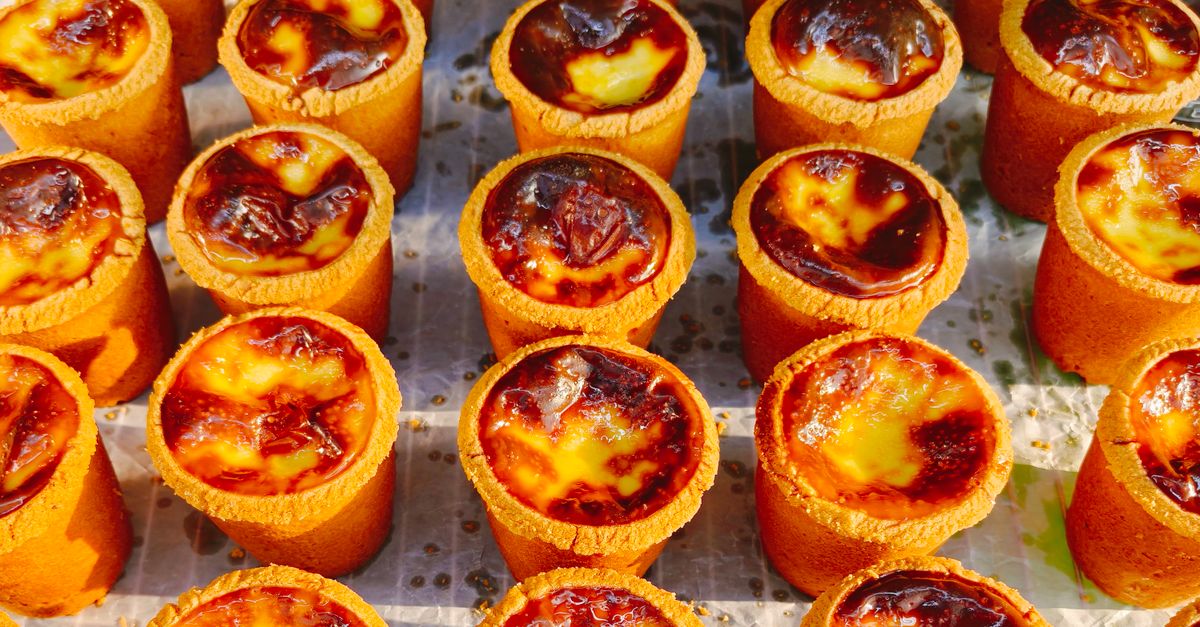
The 60cm long egg tart has become a social media phenomenon, with over 12 million units sold in September. This trend, driven largely by the Henan-based brand Dayu Renjia, underscores new consumer preferences and market potential in China's evolving food and beverage sector.
Changes in Consumption Patterns During Twin Festivals
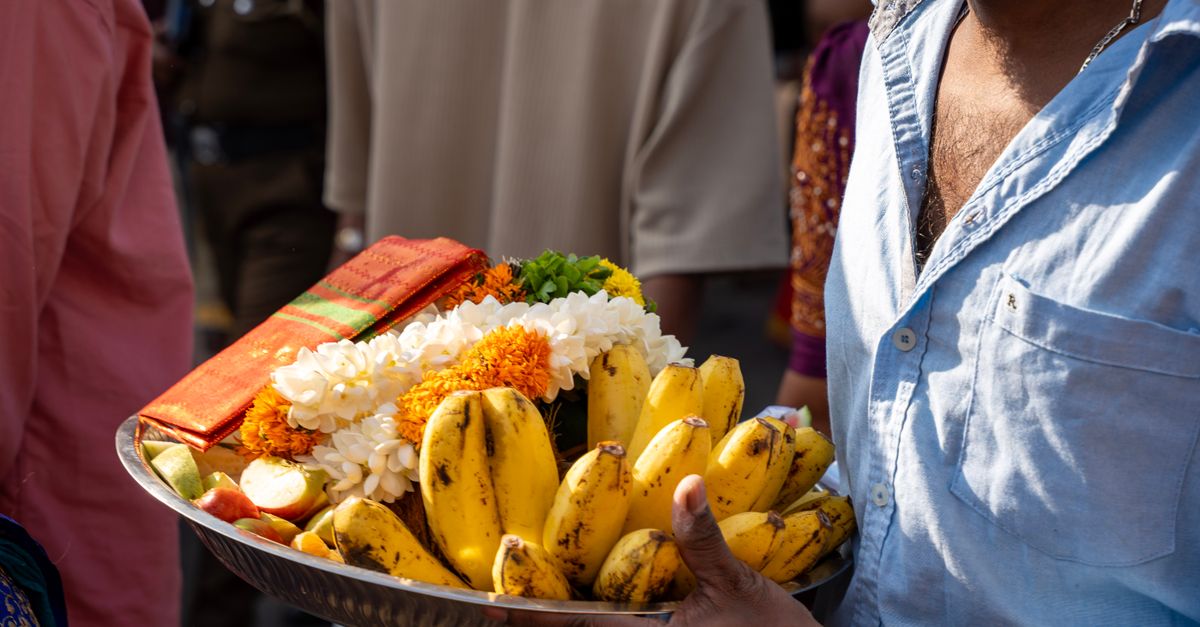
Despite unchanged mobility figures during the 2026 twin festivals, consumption patterns have shifted. There was a noticeable decline in high-priced mooncake sales, while long-distance travel surged. These changes indicate evolving consumer priorities and spending behaviors during significant cultural events.